
Culture & Arts
Explore the living heritage of Janakpurdham - from centuries-old Mithila paintings and Madhubani art to sacred festivals, ancient rituals, and the cultural beliefs that shape everyday life.
Living Heritage
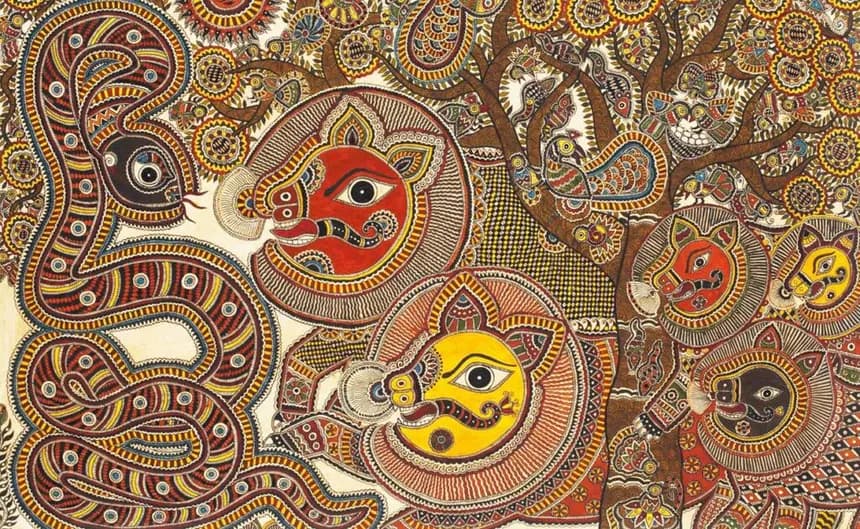
Mithila Arts
Mithila Arts
A 2,500-year-old tradition painted on walls and canvas
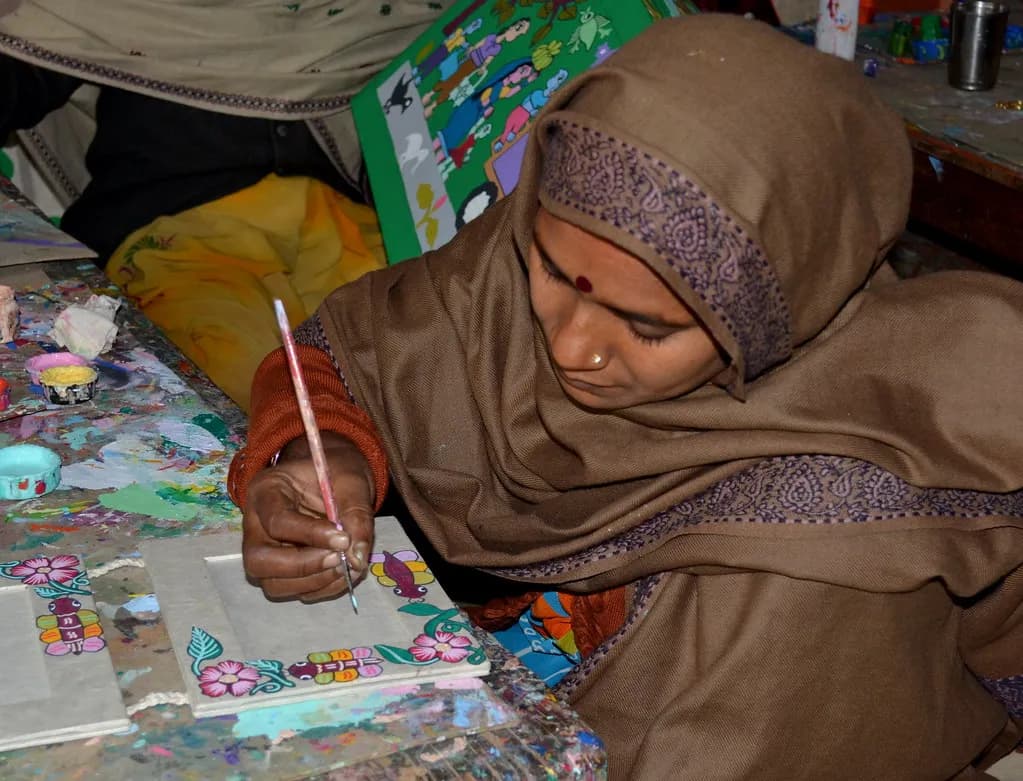
Mithila art is one of the oldest living art traditions in the world, originating in the Mithila region of Nepal and Bihar. Rooted in the Ramayana, it depicts scenes from mythology, nature, and daily life using bold lines and vibrant earthy colors. Traditionally practiced by women on the walls of their homes during festivals and ceremonies, this art form is today recognized as a UNESCO Intangible Cultural Heritage.
- Bold geometric patterns and symbolic motifs
- Natural pigments from turmeric, indigo, and flowers
- Passed down through generations of women artisans
- Recognized globally in galleries and UNESCO heritage lists
Sacred Paintings
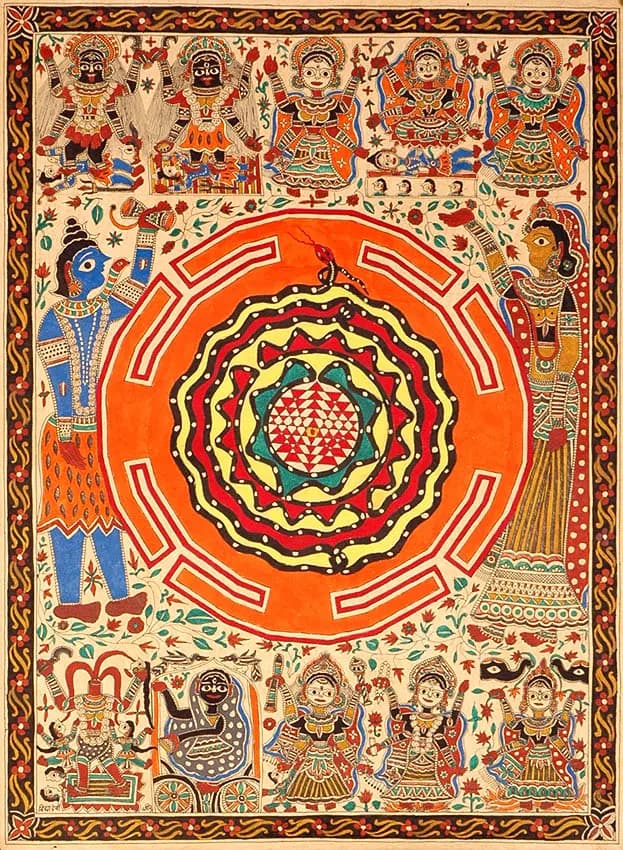
Madhubani Arts
Madhubani Arts
Divine stories told through color and line
Madhubani painting - named after the Madhubani district of the Mithila region - is a style known for its intricate patterns, mythological narratives, and spiritual symbolism. Often created on walls and floors during auspicious occasions, these paintings feature deities, flora, fauna, and geometric patterns. The Kohbar painting, made in the bridal room during weddings, is one of its most iconic forms.
- Five distinct styles: Bharni, Kachni, Tantrik, Godna, and Kohbar
- Characterized by double-line borders and no empty space
- Used in wedding rituals, festivals, and religious ceremonies
- Now painted on paper, fabric, and canvas for global collectors
Culinary Heritage
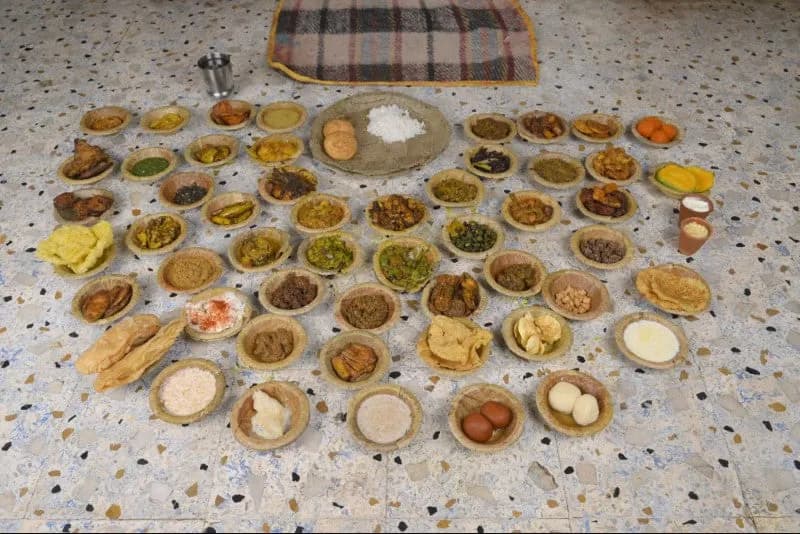
Paan Art
Paan Art
The tradition of hospitality and taste
In Mithila, serving Paan (betel leaf) is not just a post-meal refreshment; it is a refined art form and a symbol of deep respect and hospitality. The preparation of 'Mithila Paan' involves intricately folding the leaf with areca nut, slaked lime, catechu, and aromatic spices. During weddings and festivals, beautifully decorated Paan is offered to deities and guests as a mark of honor.
- A symbol of respect, love, and hospitality in Mithila
- Intricate folding techniques and decorative presentations
- Essential part of wedding rituals and welcoming guests
- Features local aromatic spices and ingredients
Sacred Celebrations
Festivals
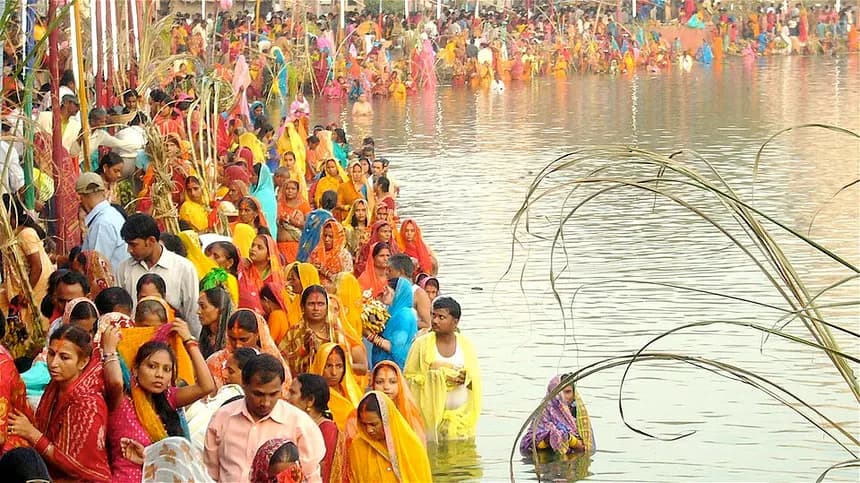
Festivals of Mithila
Where devotion meets color, song, and community
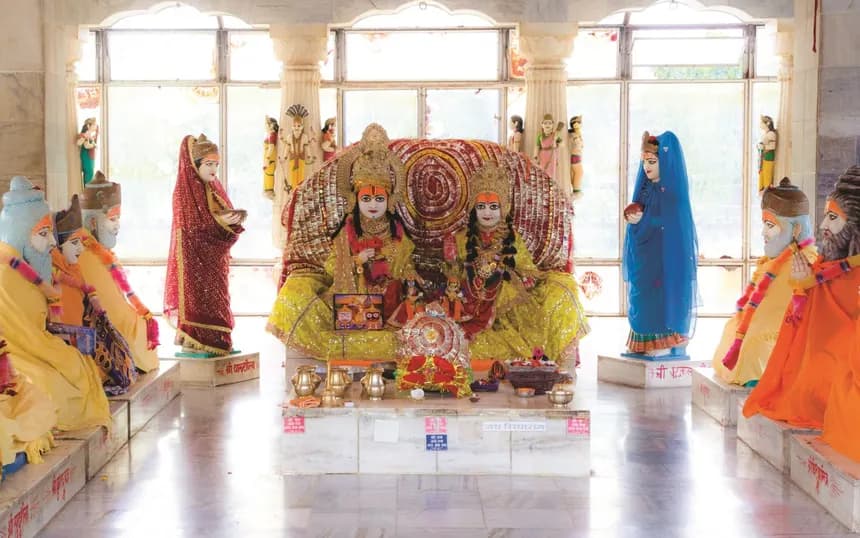
Janakpurdham is a city alive with festivals throughout the year. From the grand Vivah Panchami - a 5-day re-enactment of the divine marriage of Sita and Rama - to Chhath Puja at the sacred ponds, Teej, Sama-Chakeva, and Jur Sital, every celebration weaves together music, ritual bathing, folk songs, and communal worship. These festivals are not just celebrations - they are living cultural experiences.
- Vivah Panchami: The largest festival celebrating Sita-Rama's marriage
- Chhath Puja: Worship of the Sun God at dawn and dusk by the ponds
- Teej: Women's festival of fasting, dance, and brightly colored attire
- Sama-Chakeva: Unique harvest bird-song festival celebrated with clay figurines
Ancient Traditions
Rituals
Sacred Rituals
The rites that bind generations to the divine
Mithila has a deeply spiritual ritual culture. The Saptapadi (seven steps of marriage), the Kohbar ceremony in the bridal room, the Madhushravani ritual for newly married women, and the elaborate Shraddha ceremonies for ancestors are all deeply ingrained in Mithila life. The wedding tradition of Janakpurdham - inspired by the original Sita-Rama wedding - is considered one of the most elaborate and sacred in South Asia.
- Kohbar ceremony: Ritual art painted in the bridal chamber
- Madhushravani: Month-long ritual for newly married brides
- Shraddha: Ancestral rites performed at sacred ponds
- Yagyopavit: Thread ceremony performed by Brahmin and Kshatriya families
Living Philosophy
Cultural Beliefs
Cultural Beliefs
The philosophy that shapes Mithila's soul
Mithila's culture is rooted in the belief that the sacred and the everyday are inseparable. The goddess Sita is not a distant deity but a living presence - a daughter of the soil, born from the earth in Janakpurdham. This belief in Sita as a manifestation of strength, devotion, and grace influences how people live, raise children, perform art, and treat nature. Mithila culture also honors the concept of 'Samajik Sahyog' - collective community support - which is visible in its festivals, collective art-making, and shared rituals.
- Sita as a symbol of feminine strength and divine grace
- Earth worship - nature embedded in art, ritual, and daily life
- Concept of Samajik Sahyog: collective social harmony
- Oral traditions: folk songs (Lok Geet) passing knowledge across generations
Share Your Cultural Story
Have a story about Mithila arts, a festival you attended, or a cultural belief you want to preserve? Share it with the Civitas Community.
Write Your Story